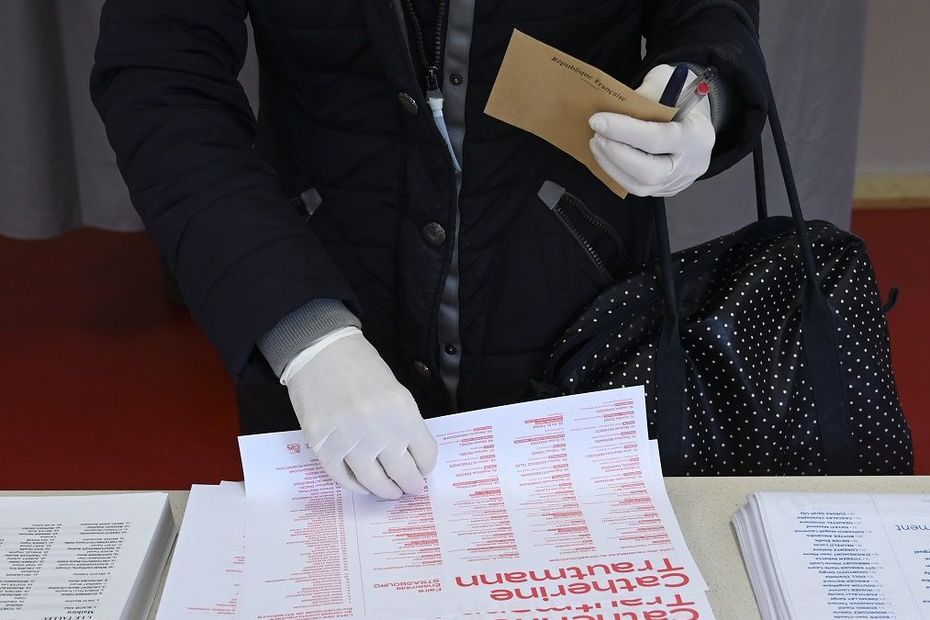
Health Crisis & Municipal Elections: Analyzing First Round Voter Participation
The very foundation of local democracy, the municipal election, often faces challenges ranging from voter apathy to the complexities of modern political landscapes. However, an unprecedented variable entered the equation in recent years: a global health crisis. The crucial question that emerges is whether voter participation during the
first round of municipal elections – or *municipales premier tour* – was significantly disrupted by these public health emergencies. This article delves into the multifaceted impact of such crises on local electoral processes, examining trends, challenges, and potential strategies for bolstering civic engagement.
The Shadow of the Health Crisis on Municipal Elections
The advent of a major health crisis casts a long shadow over every aspect of public life, and electoral processes are no exception. Local elections, which are inherently about community and proximity, felt the tremors acutely.
Direct Impacts on Voter Turnout
One of the most immediate and observable effects of a health crisis on the *municipales premier tour* is a potential downturn in voter participation. Several factors contribute to this phenomenon:
- Fear of Contagion: For many, the simple act of visiting a polling station became a source of anxiety. Concerns about crowded spaces, shared surfaces, and potential exposure to the virus led a significant portion of the electorate, particularly vulnerable populations, to stay home.
- Logistical Hurdles: Lockdowns, travel restrictions, and quarantines directly impeded voters' ability to reach polling stations. Even when technically permissible, the psychological barrier of restricted movement could discourage participation.
- Prioritisation Shift: During a health crisis, the public discourse naturally shifts towards immediate survival, health measures, and economic stability. Local political debates, while crucial, might have seemed less pressing compared to the overarching health emergency, leading to a dip in interest and engagement.
- Demographic Disparity: Elderly voters, often a reliable demographic in local elections, were also among the most at-risk during the crisis. Their reduced participation could disproportionately affect overall turnout numbers in areas with older populations.
This interplay of fear, logistics, and shifting priorities undoubtedly created a challenging environment for maintaining robust voter engagement during the first round of municipal elections. The sanctity of the ballot box, a symbol of democratic stability, was tested by the unprecedented nature of the crisis.
Shifting Priorities and Campaigning Challenges
Beyond direct voter turnout, the health crisis also fundamentally altered the pre-election landscape for candidates and parties vying for local office in the *premier tour*. Traditional campaign methods became unfeasible or irresponsible.
Typically, municipal campaigns thrive on close contact: door-to-door canvassing, public rallies, town hall meetings, and handshake tours. These vital avenues for candidates to connect with constituents, articulate their visions, and address local concerns were severely curtailed. Instead, campaigns had to pivot rapidly to digital platforms, which, while offering new reach, often struggled to replicate the intimacy and personal touch characteristic of local politics.
Furthermore, the public's focus during a health crisis naturally shifts towards health, safety, and economic recovery. Candidates found themselves needing to address these immediate concerns, sometimes overshadowing other local issues like infrastructure, education, or environmental policy. This forced adaptation in messaging and campaigning strategies meant that the electoral narrative for the *municipales premier tour* often became a reflection of the crisis itself, rather than a purely local agenda.
Decoding First Round Dynamics: The Case of Toulon and Beyond
To understand the nuances of voter participation in the *municipales premier tour*, it's helpful to look at specific contexts, even those projected for the future, as they illuminate the ongoing relevance and challenges.
Toulon 2026: A Glimpse into Premier Tour Contests
Consider the context of a city like Toulon, the largest city in the Var region, which saw Josée Massi take the mayoral office in 2023. Looking ahead to potential future contests, such as the debate for the 2026 municipal elections, provides valuable insight into the diverse political landscape that defines a typical first round. Debates like those animated by journalists Nathalie Ramirez and Philippe Boccara with representatives from various political spectrums – Magali Brunel (Union de la Gauche), Michel Bonnus (LR), Laure Lavalette (RN), Isaline Cornil (LFI) – underscore the vibrant, multi-party competition characteristic of the *premier tour*.
These debates are critical for informing voters and shaping their choices for the first round. They highlight the local stakes, the differing ideologies, and the specific promises each candidate brings to the table. In a crisis context, such debates would be even more crucial, allowing candidates to address how they would lead the city through challenges, manage public services, and support residents. The political diversity seen in Toulon is a microcosm of many French municipalities, where the *premier tour* is often a test of strength across a broad ideological spectrum, setting the stage for potential alliances or run-offs in a second round. For more on these contests, consider reading
Toulon 2026: Parties Clash in First Round Municipal Election Debate.
The Broader Significance of First Round Participation
The turnout in the *municipales premier tour* is more than just a statistic; it's a barometer of democratic health and civic engagement. A robust first-round turnout lends greater legitimacy to the eventual winners and reflects a populace that feels connected to its local governance. Conversely, a significantly reduced turnout, especially one exacerbated by external factors like a health crisis, can raise concerns about the representativeness of the elected body and potentially weaken the mandate of the incoming local leadership.
Low participation can also skew results, as certain highly motivated or less affected demographics might constitute a larger proportion of the active electorate. Understanding these dynamics is crucial for analysts and policymakers alike, as it informs strategies for enhancing engagement in future electoral cycles, especially when unforeseen challenges might arise.
Strategies for Resilient Local Democracy Amidst Crises
The experience of navigating elections during a health crisis offers invaluable lessons for strengthening local democratic processes against future disruptions. Building resilience requires a multi-pronged approach that focuses on safety, accessibility, and innovative engagement.
Ensuring Safe and Accessible Polling
To mitigate the impact of future crises on *municipales premier tour* participation, ensuring the safety and accessibility of voting is paramount.
- Enhanced Health Protocols: Implementing stringent health measures at polling stations – such as social distancing, mandatory mask-wearing, sanitization, and controlled entry/exit flows – can significantly reduce the risk of contagion and alleviate voter anxiety.
- Expanded Voting Options: Exploring and, where appropriate, implementing alternative voting methods like widespread postal voting, early voting, or drive-through polling can reduce congestion on election day and offer safer options for vulnerable populations.
- Public Communication Campaigns: Clear, consistent, and reassuring communication from electoral authorities about safety measures and voting procedures is essential to rebuild public confidence and encourage participation. This also includes educating citizens on the importance of local elections even during national crises.
Innovating Campaigning and Voter Engagement
The forced shift to digital during the crisis also highlighted opportunities for more inclusive and dynamic campaigns.
- Hybrid Campaigning Models: Future campaigns for the *municipales premier tour* could effectively blend traditional ground efforts with sophisticated digital outreach, utilizing social media, virtual town halls, and targeted online advertising to reach diverse segments of the electorate.
- Focus on Local Relevance: Candidates and parties must articulate how their platforms directly address the immediate concerns of residents during a crisis, while also laying out a vision for long-term community resilience and development. Emphasizing the tangible impact of local decisions on daily lives can re-engage a potentially disaffected electorate.
- Civic Education: Ongoing efforts to educate citizens about the vital role of municipal government, the electoral process, and the power of their vote are crucial. This helps foster a culture of participation that can withstand external shocks.
Conclusion
The question of whether voter participation in the *municipales premier tour* was perturbed by a health crisis is resoundingly affirmative. The intertwining factors of fear, logistical challenges, and shifting public priorities undeniably impacted turnout and reshaped campaign dynamics. However, these challenges also serve as a powerful catalyst for innovation. By learning from these experiences, investing in robust public health protocols, expanding accessible voting options, and fostering dynamic, digitally-savvy campaigns, communities can build more resilient local democracies. Ensuring that every voice can be heard, even amidst adversity, is not just about preserving the integrity of an election; it's about safeguarding the very spirit of local governance and the active participation essential for community well-being.